Our Programs
Holistic Ecosystem Management
Our projects are designed to create enriching interactions and positive experiences for community members through environmental stewardship, continuous learning, community-centred innovation and collaborative knowledge based solutions. Our work is landscape focused and addresses current challenges facing the Mount Elgon ecosystem. We have designed our scientific research projects to include tangible outcomes that can be disseminated in community development training sessions.
support us watch video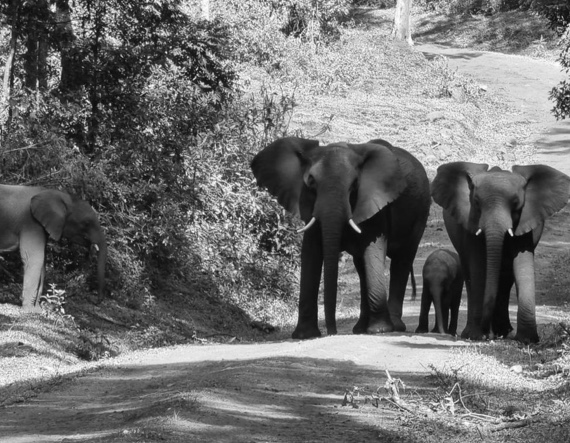
Sustainable Livelihoods
Key Initiative
Climate-Resilient Agriculture
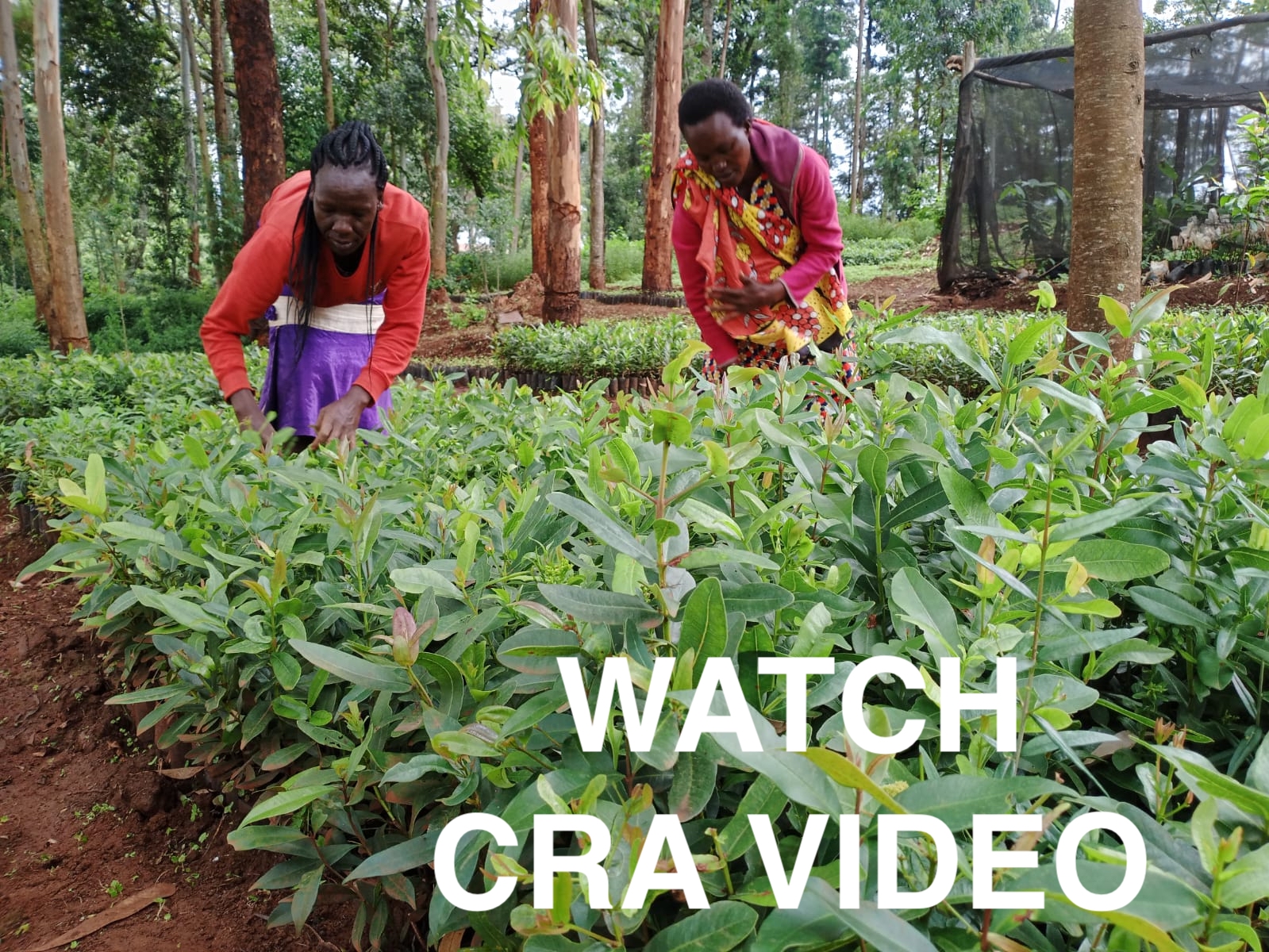
Over 75% of the working population in Mount Elgon relies on farming as a primary source of income, and despite high soil fertility, food insecurity is a prevalent issue, as the region relies primarily on monoculture farming. Although monoculture farming can lead to higher outputs, these practices can have substantial negative effects on the environment, leading to soil degradation, eutrophication of water sources, and increased greenhouse gas emissions.
In 2018, we initiated our flagship project: Climate Resilient Agriculture as a biodiversity conservation strategy and livelihood enhancement mechanism, as a way to provide climate-resilient farming solutions that also monetarily benefit small-scale farmers.
We are currently expanding this project into Kiptogot, Kimothon and Suam on the slopes of Mt Elgon and exploring ways to create opportunities for interested youth to develop innovative, tech-focused agricultural solutions for the Mount Elgon region.
Key Initiative
Traditional Ecological Knowledge
We are co-developing a program with the forest-dwelling indigenous communities living in the Mount Elgon ecosystem, to collaboratively document the traditional ecological knowledge of the ethnobotanical harvests of plant species for nutrition, health, and well-being.
- The Sabaot and Ogiek communities live within the Mount Elgon Forest ecosystem, and have utilized plant resources for their nutrition, wellbeing and medicinal purposes for centuries, yet their ethnobotanical knowledge remains largely undocumented.
- Information gathered will be utilized for co-developing a range of skills, training e.g. ethnobotanical certification, and mentoring that will support the communities’ cultural heritage enterprises such as mushroom foraging, naturopathy, to collectively improve their socio-cultural and economic wellbeing.
Collaborative
Conservation


